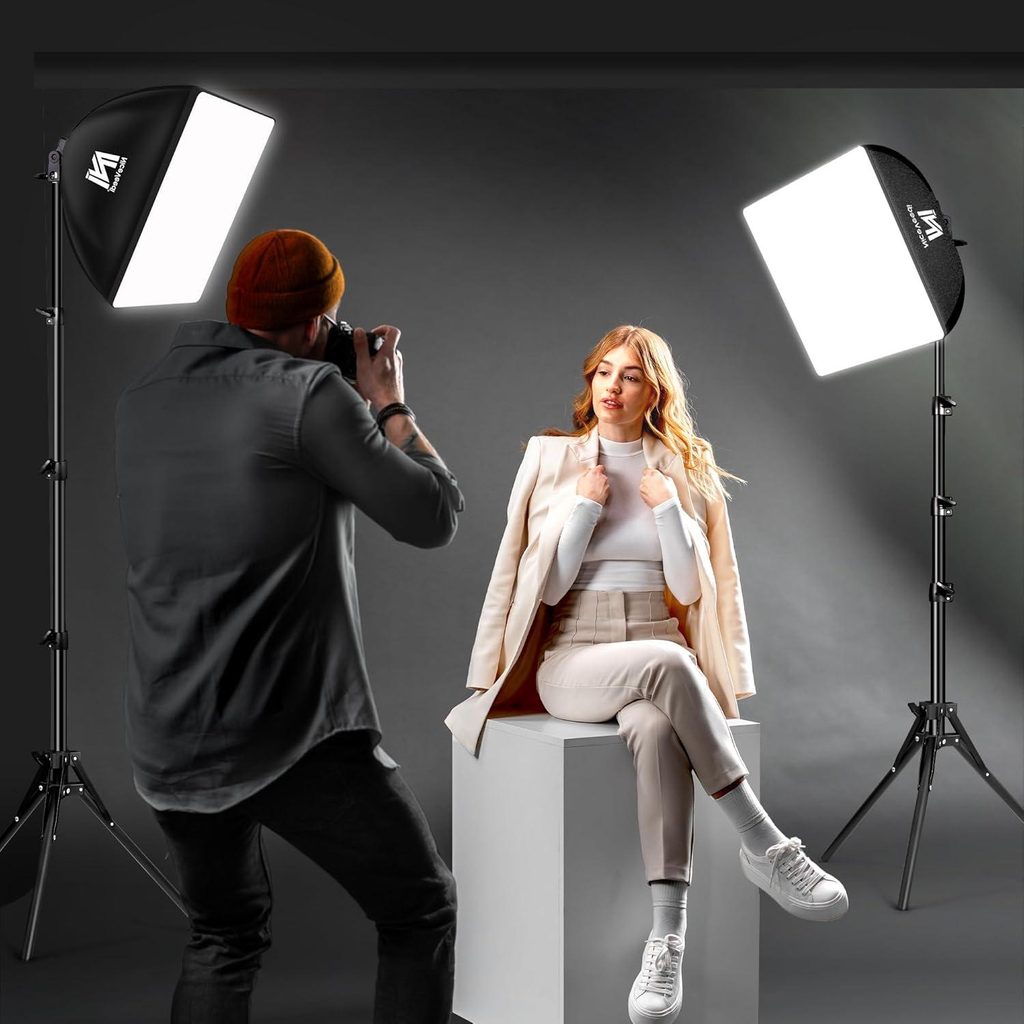
Studio Portrait Photography : A Complete Guide to Stunning Portraits
Studio portrait photography is one of the best ways to capture beautiful, professional, and expressive photographs in a controlled environment. Whether you are a beginner learning photography or an experienced photographer improving your skills, a well-organized studio setup can help you achieve excellent results. Studio photography allows you to control lighting, backgrounds, camera angles, and shadows to create portraits that match your creative vision. Choosing the right lighting equipment is important because soft and balanced lighting can highlight facial features while reducing unwanted shadows. You can experiment with softboxes, ring lights, reflectors, and studio flashes to understand how different lighting techniques affect the final image. Following effective Portrait Photo Tips can also help you improve your photography, especially when working with different face shapes, expressions, outfits, and poses. For example, asking your subject to turn slightly towards the light can create a natural and attractive appearance. Selecting a simple background can keep the focus on the person, while colourful or textured backgrounds can add creativity and personality to your portraits. Camera settings are equally important in studio portrait photography. Using a suitable aperture can help separate the subject from the background, while selecting an appropriate shutter speed and ISO can produce sharp, clear images with minimal noise. Eye focus is another essential detail because sharp eyes often make portraits look more engaging and professional. Before starting a photoshoot, communicate with your subject, explain the poses, and encourage natural expressions to make them feel comfortable. You should also experiment with close-up portraits, half-body shots, and full-body compositions to create variety in your photography portfolio. After the photoshoot, editing tools can help you adjust exposure, white balance, contrast, and skin tones without making the image look unnatural. Practising regularly, learning from your mistakes, and applying useful Portrait Photo Tips will help you understand lighting, composition, and posing more effectively. With creativity, patience, and the right techniques, studio portrait photography can help you produce impressive images for personal memories, professional portfolios, social media, and photography businesses If you are new to portrait photography, learning a few simple techniques can make a big difference in the quality of your photos. The best Portrait Photo Tips start with using soft and even lighting, as it helps create natural-looking skin tones and reduces harsh shadows on the face. Always focus on your subject’s eyes because sharp eye focus makes portraits more engaging and professional. Encourage your subject to relax and use natural expressions instead of stiff poses, as genuine emotions create more attractive photographs. Choosing a clean background helps keep the attention on the subject, while experimenting with different camera angles can add creativity to your shots. Beginners should also use a wider aperture, such as f/1.8 or f/2.8, to achieve a beautiful blurred background effect. Finally, practice with different poses, lighting setups, and compositions to build confidence and improve your portrait photography skills with every photoshoot.

Studio Portrait Photography Techniques for Beginners
If you are new to portrait photography, learning a few simple techniques can make a big difference in the quality of your photos. The best Portrait Photo Tips start with using soft and even lighting, as it helps create natural-looking skin tones and reduces harsh shadows on the face. Always focus on your subject’s eyes because sharp eye focus makes portraits more engaging and professional. Encourage your subject to relax and use natural expressions instead of stiff poses, as genuine emotions create more attractive photographs. Choosing a clean background helps keep the attention on the subject, while experimenting with different camera angles can add creativity to your shots. Beginners should also use a wider aperture, such as f/1.8 or f/2.8, to achieve a beautiful blurred background effect. Finally, practice with different poses, lighting setups, and compositions to build confidence and improve your portrait photography skills with every photoshoot.etting your camera settings right is also super important. The right aperture can help separate your subject from the background, and choosing the right shutter speed and ISO will give you sharp, clear images with minimal noise. Don’t forget to focus on the eyes; sharp eyes can make your portraits much more engaging and professional. Before you start shooting, take a moment to chat with your subject. Explain the poses and encourage them to relax and be themselves. This little step can make a huge difference in the final images! Feel free to mix it up with close-ups, half-body shots, and full-body compositions to keep your portfolio interesting. Once the photoshoot is done, editing tools can help you tweak exposure, white balance, contrast, and skin tones, ensuring your images look natural and polished. Regular practice, learning from any mistakes, and using those portrait tips will help you master lighting, composition, and posing. With a bit of creativity, patience, and the right techniques, studio portrait photography can help you create stunning images for personal memories, professional portfolios, social media, or even a photography business. Have fun, and enjoy the process!
Best Portrait Photo Tips for Beginners
If you are new to portrait photography, learning a few simple techniques can make a big difference in the quality of your photos. The best Portrait Photo Tips start with using soft and even lighting, as it helps create natural-looking skin tones and reduces harsh shadows on the face. Always focus on your subject’s eyes because sharp eye focus makes portraits more engaging and professional.
Encourage your subject to relax and use natural expressions instead of stiff poses, as genuine emotions create more attractive photographs. Choosing a clean background helps keep the attention on the subject, while experimenting with different camera angles can add creativity to your shots. Beginners should also try a wider aperture, such as f/1.8 or f/2.8, to achieve a beautiful blurred background effect. Finally, practise with different poses, lighting setups, and compositions to build confidence and improve your portrait photography skills.
etting your camera settings right is also super important. The right aperture can help separate your subject from the background, and choosing the right shutter speed and ISO will give you sharp, clear images with minimal noise. Don’t forget to focus on the eyes; sharp eyes can make your portraits much more engaging and professional. Before you start shooting, take a moment to chat with your subject. Explain the poses and encourage them to relax and be themselves. This little step can make a huge difference in the final images! Feel free to mix it up with close-ups, half-body shots, and full-body compositions to keep your portfolio interesting. Once the photoshoot is done, editing tools can help you tweak exposure, white balance, contrast, and skin tones, ensuring your images look natural and polished. Regular practice, learning from any mistakes, and using those portrait tips will help you master lighting, composition, and posing. With a bit of creativity, patience, and the right techniques, studio portrait